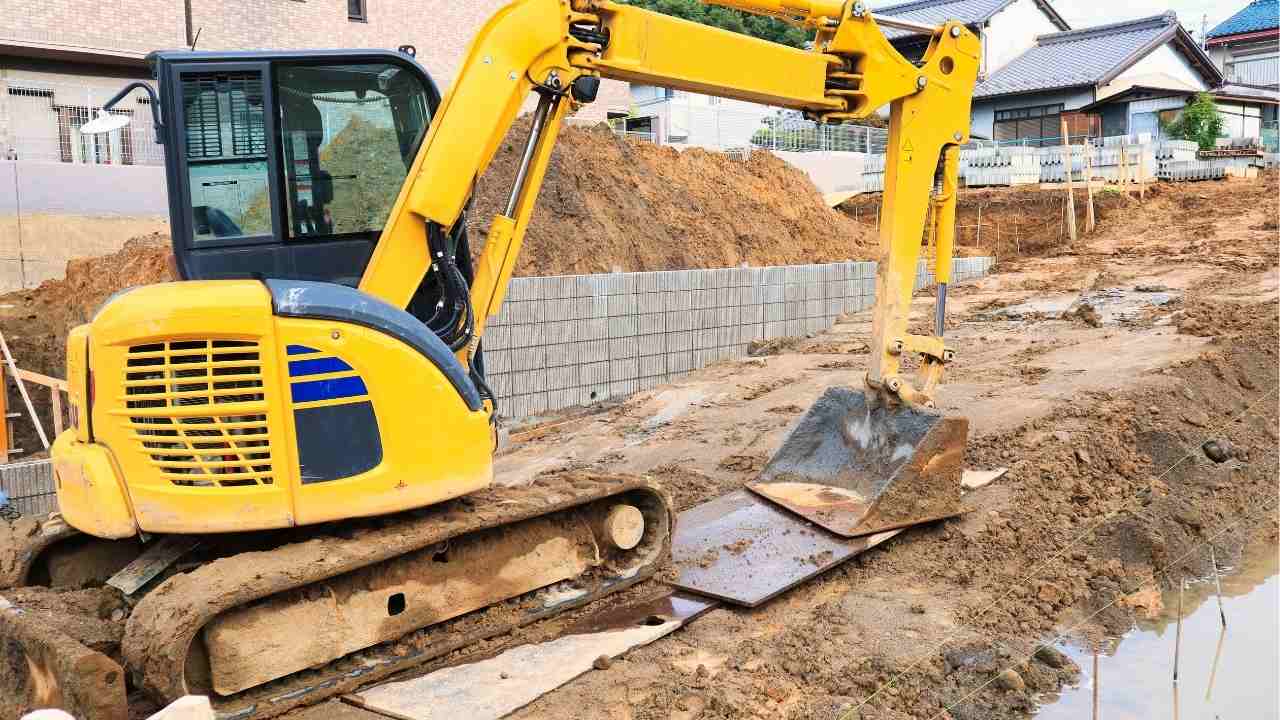
Excavation for Foundations: Slab vs Crawl Space vs Basement
Before any home takes shape, the real work begins below the surface. The type of foundation you choose doesn’t just affect construction; it impacts cost, durability, and long-term comfort. If you’re planning a build, understanding your options early can save you serious headaches later.
In this guide, you’ll learn the key differences between slab, crawl space, and basement foundations, how excavation plays a role in each, and how to choose the right one for your project.
Slab Foundations: Simple, Fast, and Cost-Effective
A slab foundation is exactly what it sounds like: a solid layer of concrete poured directly onto the ground. It’s one of the most straightforward options and requires minimal excavation compared to other types.
For homeowners looking into excavation services Spencer MA, slab foundations are often the quickest route to get a structure up and running. The excavation process usually involves:
Clearing and leveling the site
Removing topsoil
Compacting the ground for stability
Pros:
Lower upfront cost
Faster construction timeline
Fewer issues with moisture or pests underneath
Cons:
Limited access to plumbing or wiring once poured
Less insulation compared to raised foundations
Not ideal for uneven terrain
Slab foundations work best in warmer climates or areas where frost isn’t a major concern.
Crawl Space Foundations: A Balanced Middle Ground
Crawl space foundations elevate the home slightly above ground, creating a small accessible area beneath the structure. This design requires more excavation than a slab but far less than a full basement.
If you’ve ever searched for an “excavation contractor near me in Spencer MA,” chances are crawl space construction came up as a flexible option. The excavation process includes:
Digging footings below the frost line
Creating perimeter walls
Ensuring proper drainage and ventilation
Pros:
Easier access to plumbing and electrical systems
Better protection against flooding
Improved insulation compared to slabs
Cons:
Potential moisture buildup if not sealed properly
Requires ventilation or encapsulation
Slightly higher cost than slab
Crawl spaces are ideal for areas with moderate climates and where ground moisture is manageable.
Basement Foundations: Maximum Space and Value
Basements require the most extensive excavation, but they also offer the biggest payoff in terms of usable space. Whether finished or unfinished, a basement adds square footage without expanding your home’s footprint.
Many companies specializing in excavation recommend basements for homeowners who want long-term value. The excavation process here is more complex:
Deep digging below frost level
Soil removal and reinforcement
Waterproofing and drainage system installation
Pros:
Additional living or storage space
Increased property value
Better protection from extreme weather
Cons:
Highest construction cost
Longer build time
Risk of water intrusion if not properly sealed
Basements are especially popular in colder regions where deeper foundations are already required.
Choosing the Right Foundation for Your Project
There’s no one-size-fits-all answer here, it comes down to your budget, location, and long-term plans.
Here’s a quick way to think about it:
Go with a slab if you want speed and affordability
Choose a crawl space for flexibility and moderate cost
Invest in a basement if you want space and future value
Also consider soil conditions, drainage, and local building codes. A good contractor will assess your site and recommend the most practical solution, not just the cheapest one.
Final Thoughts
Foundation decisions aren’t just technical, they shape how your home performs for decades. The excavation phase sets everything in motion, so getting it right matters more than most people realize.
If you’re planning a build, reach out to a qualified excavation professional early and get a clear plan in place before the first shovel hits the ground.