Grading and Drainage Explained: Why It Matters for Your Property
Water can be one of the biggest threats to your property, even when it looks harmless. A small puddle near your foundation, a soggy patch in the yard, or runoff flowing the wrong way can quietly lead to expensive damage. That is why proper grading and drainage are not just landscaping details, they are essential parts of protecting your home, land, and investment.
If you have ever searched for an “excavation contractor near me in Spencer MA,” chances are you are dealing with a property issue that needs more than a quick surface fix. Grading and drainage problems often start underground or with the way the land slopes around your home. In some cases, drainage issues may also affect septic performance, which is why working with professionals who understand septic service Spencer MA can make a major difference. Whether you are building, repairing, or improving land, property excavation helps create the right foundation for long-term stability.
In this guide, you will learn what grading and drainage mean, why they matter, common warning signs, and when it is time to call a professional.
What Is Grading?
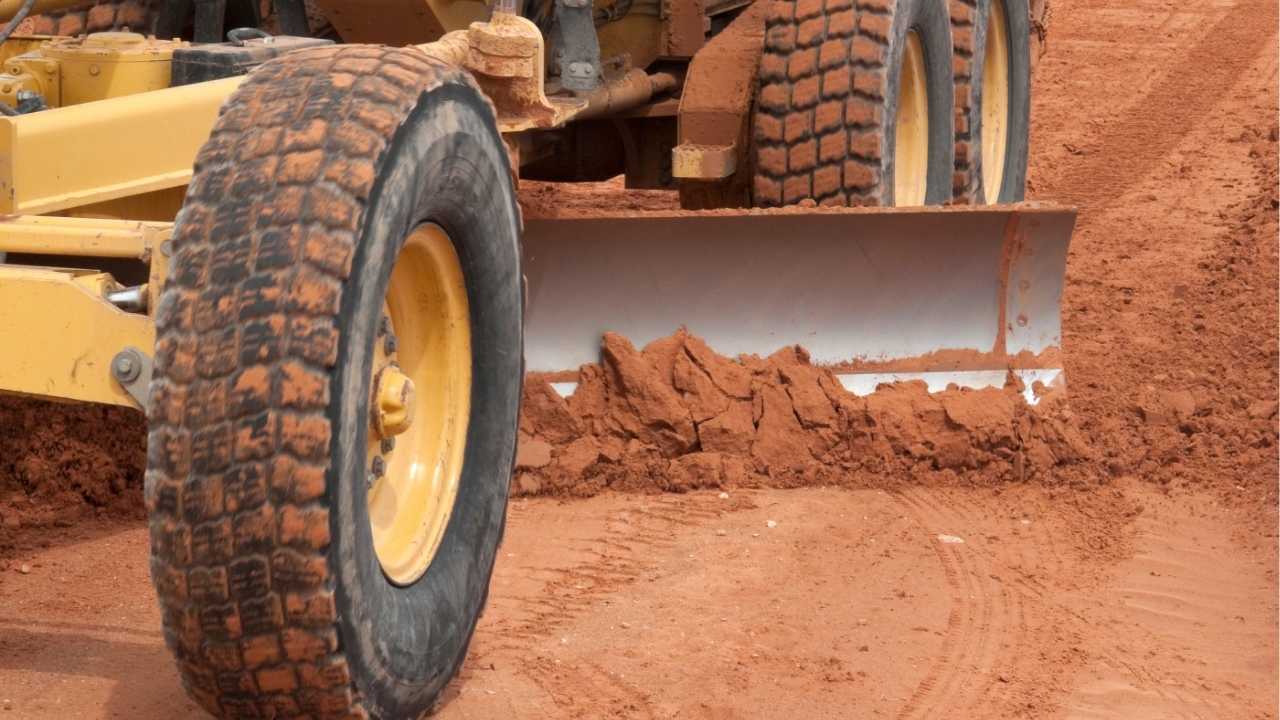
Grading is the process of shaping or leveling land so water flows in the right direction. The goal is simple: move water away from areas where it can cause damage.
Good grading helps protect:
Foundations
Driveways
Septic systems
Lawns and landscaping
Walkways and patios
Basements and crawl spaces
When grading is done correctly, rainwater naturally moves away from your home instead of collecting around it. Poor grading, on the other hand, can send water straight toward your foundation, septic area, or driveway.
Even a slight slope problem can create major issues over time. That is why grading should be planned carefully, especially before construction, landscaping, drainage installation, or septic work.
Why Drainage Matters So Much
Drainage controls where water goes after rain, snowmelt, or irrigation. Without proper drainage, water can sit on the property, wash away soil, weaken structures, and create unsafe conditions.
Common drainage problems include:
Standing water in the yard
Soil erosion
Flooded basements
Washed-out driveways
Muddy or soft ground
Water pooling near the foundation
Septic system stress
Cracked walkways or shifting surfaces
Drainage is not just about comfort or curb appeal. It directly affects the health and safety of your property. Water that stays where it should not can damage building materials, attract pests, create mold concerns, and make outdoor areas hard to use.
A smart drainage plan helps move water away before it becomes a costly problem.
Signs Your Property Has Grading or Drainage Issues
Many homeowners do not notice grading or drainage trouble until the damage becomes obvious. The good news is that early warning signs are usually easy to spot when you know what to look for.
Watch for these red flags:
Water pooling after every rainstorm
Wet soil days after dry weather returns
Basement dampness or musty smells
Mulch or gravel washing away
Cracks near the foundation
Uneven or sinking lawn areas
Driveway ruts or washouts
Water flowing toward the house
Septic area that stays unusually wet
If you see one or more of these signs, do not ignore them. Water problems rarely fix themselves. In most cases, they get worse with every storm.
How Professionals Fix Grading and Drainage Problems
The right solution depends on the property. A professional will look at the slope of the land, soil type, water flow, structures, septic areas, and existing drainage paths before recommending a fix.
Common solutions may include:
Regrading the land
Installing swales
Adding French drains
Building drainage trenches
Redirecting downspouts
Repairing eroded soil
Improving driveway drainage
Preparing land for septic or construction work
Removing excess soil or debris
The best results come from solving the cause, not just covering the symptom. For example, filling a wet area with more soil may look good for a short time, but if water still flows there, the problem will return.
That is why experienced excavation and drainage work matters. Proper planning can prevent repeated repairs and protect the value of your property.
Short Case Study: A Yard That Would Not Dry Out
A homeowner noticed that one side of the yard stayed wet for days after every rainfall. At first, they thought it was just poor grass growth. Over time, the area became muddy, the driveway edge started washing out, and water began collecting near the foundation. After a site evaluation, the problem was traced to improper slope and blocked runoff paths. The crew regraded the affected area, added a drainage channel, and redirected water away from the home. Within weeks, the yard became usable again, and the foundation area stayed dry after storms.
Why Waiting Can Cost More
Delaying grading or drainage repairs can turn a manageable project into a much larger expense. Water damage can spread quietly under the surface, especially around foundations, septic systems, and driveways.
The longer drainage issues continue, the more likely you are to face:
Foundation repairs
Septic problems
Landscape replacement
Mold or moisture concerns
Driveway reconstruction
Soil erosion control work
Basement waterproofing expenses
Fixing the water flow early is usually more affordable than repairing the damage later.
Protect Your Property Before the Next Storm
Your property should move water away from important structures, not trap it where it can cause damage. If your yard stays wet, your driveway washes out, or water runs toward your home, it is time to take the issue seriously.
Professional grading and drainage work can protect your foundation, improve land usability, support septic performance, and help prevent expensive repairs.
Contact a trusted excavation and drainage professional today to schedule a property evaluation and get the right solution before the next heavy rain exposes the problem again.