

Excavation
Digging for foundations, driveways, utility trenches, drainage and site preparation.

Septic tank installation, repair and replacement
Groundscapes Inc. installs, repairs and replaces septic systems for homes and businesses in Spencer, Worcester, Leicester and nearby Central Massachusetts towns. Because we are an excavation company, we handle the digging, tank and line installation, backfill and yard restoration on septic projects, working within Massachusetts Title 5 rules.
Many homes in and around Spencer are not on town sewer. For them, the septic system does the job a sewer line would: wastewater flows to the septic tank, solids settle out, and the liquid moves on to a drain field where the soil treats it. When every part is sized and installed correctly, the system works quietly in the background.
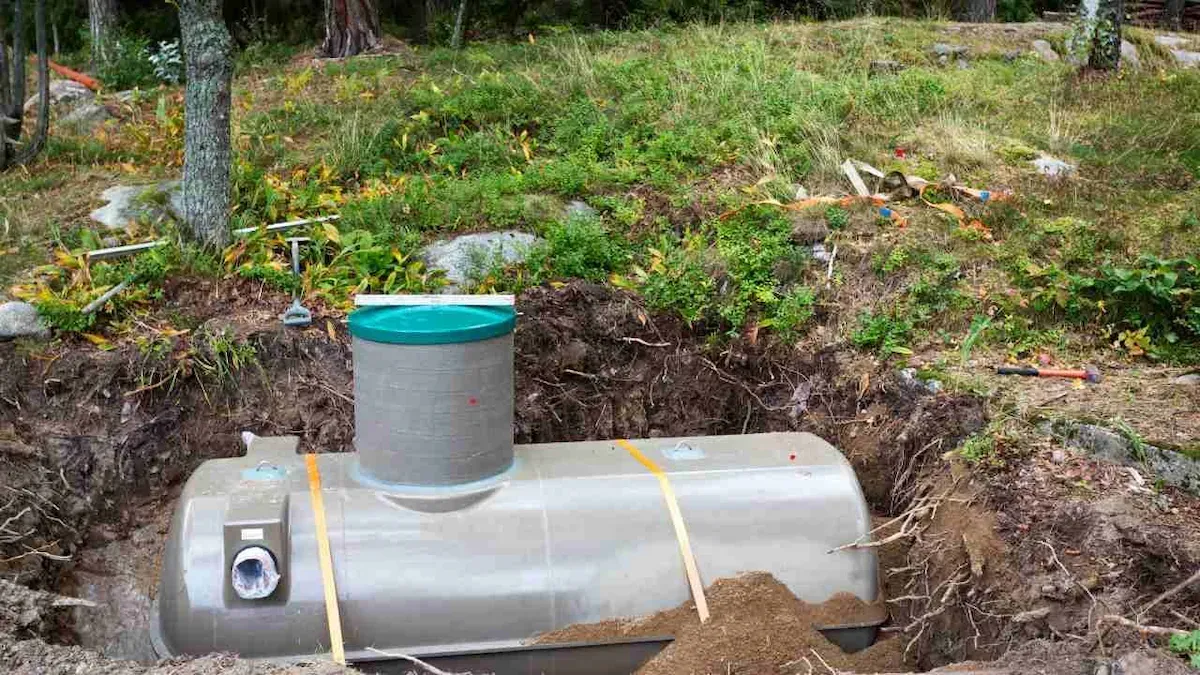
Most of a septic installation is excavation. The tank has to be set at the right depth and level, pipes need a steady pitch, and the drain field has to be built in suitable soil. As an excavation contractor, Groundscapes Inc. does that groundwork directly. Our guide on excavation and septic system basics explains how the pieces fit together.
Five core services for homes and businesses in Spencer and across Worcester County. Choose a service to see what is included.
Digging for foundations, driveways, utility trenches, drainage and site preparation.

Patios, walkways and retaining walls built on an excavated and compacted base.

Landscape installation, maintenance and repair to finish a property after the heavy work.

Snow plowing and removal for residential driveways and commercial lots.

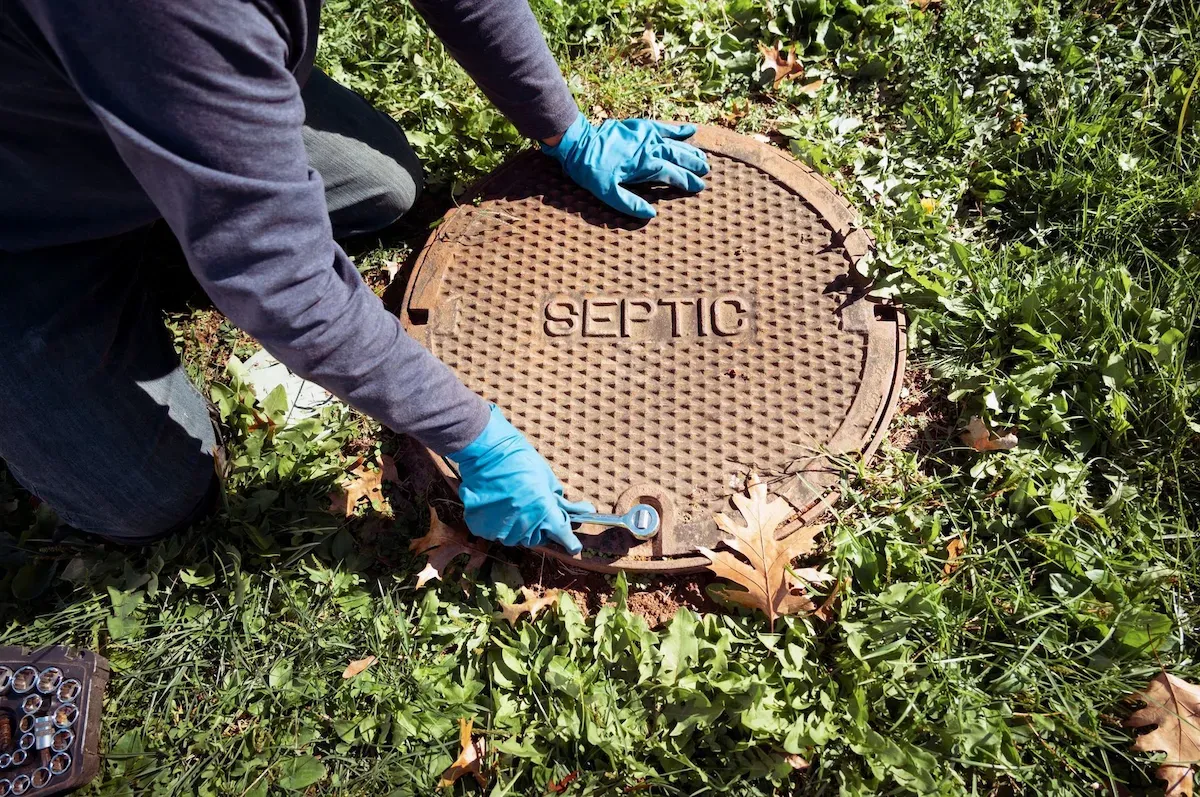
Septic system assessment and repair, plus excavation for new and replacement systems.
Septic problems rarely fix themselves, and the longer they go, the more of the system they can affect. These are common signs that a system needs attention:
Sinks, tubs and toilets that drain slowly or back up can point to a blockage or a full system. Read why a septic system backs up.
Soggy, unusually green grass or sewage smells over the tank or drain field are warning signs.
If an inspection finds the system has failed, Massachusetts rules require it to be upgraded, usually within two years.
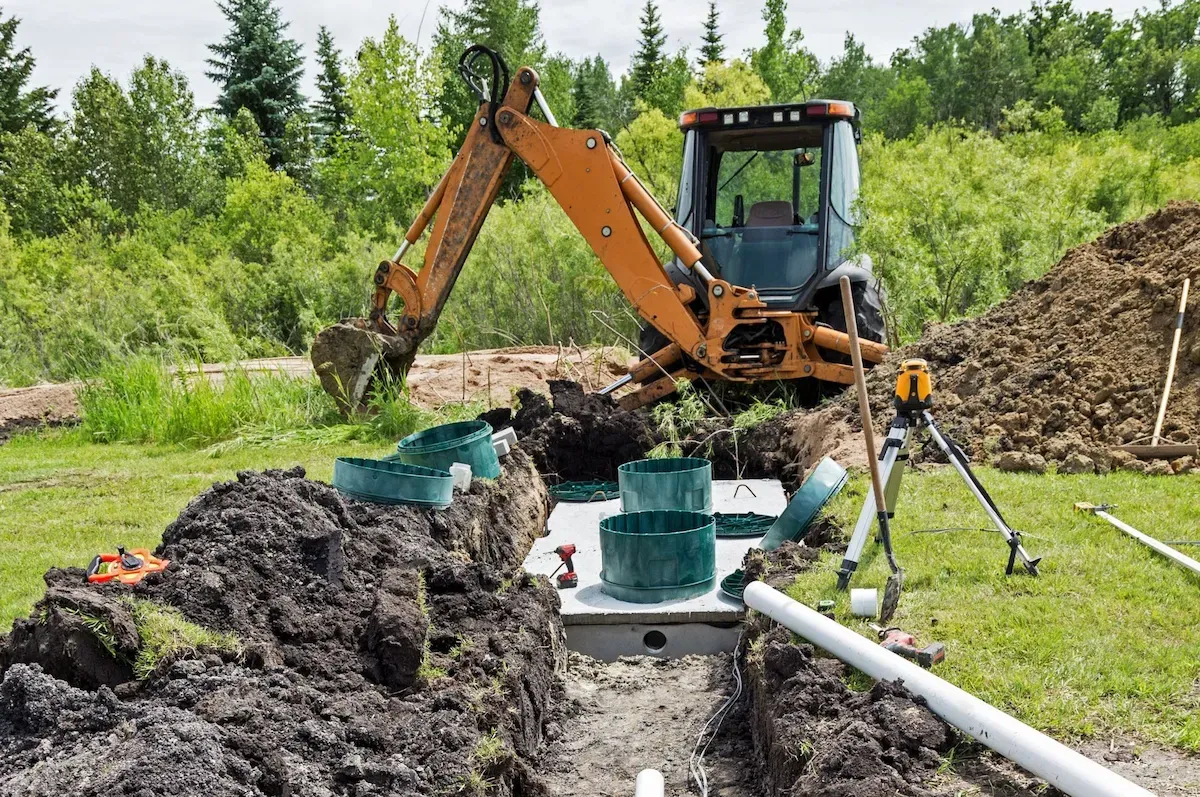
A septic installation in Massachusetts moves through four stages: an approved system design, permits and utility marking, excavation and installation, then backfill and restoration. Title 5 and the local Board of Health shape each step.
A system designer evaluates the soil and site and prepares a plan, which the local Board of Health reviews under Title 5.
Once approved, permits are issued and Dig Safe is notified so buried utilities are marked. See permits needed before septic excavation.
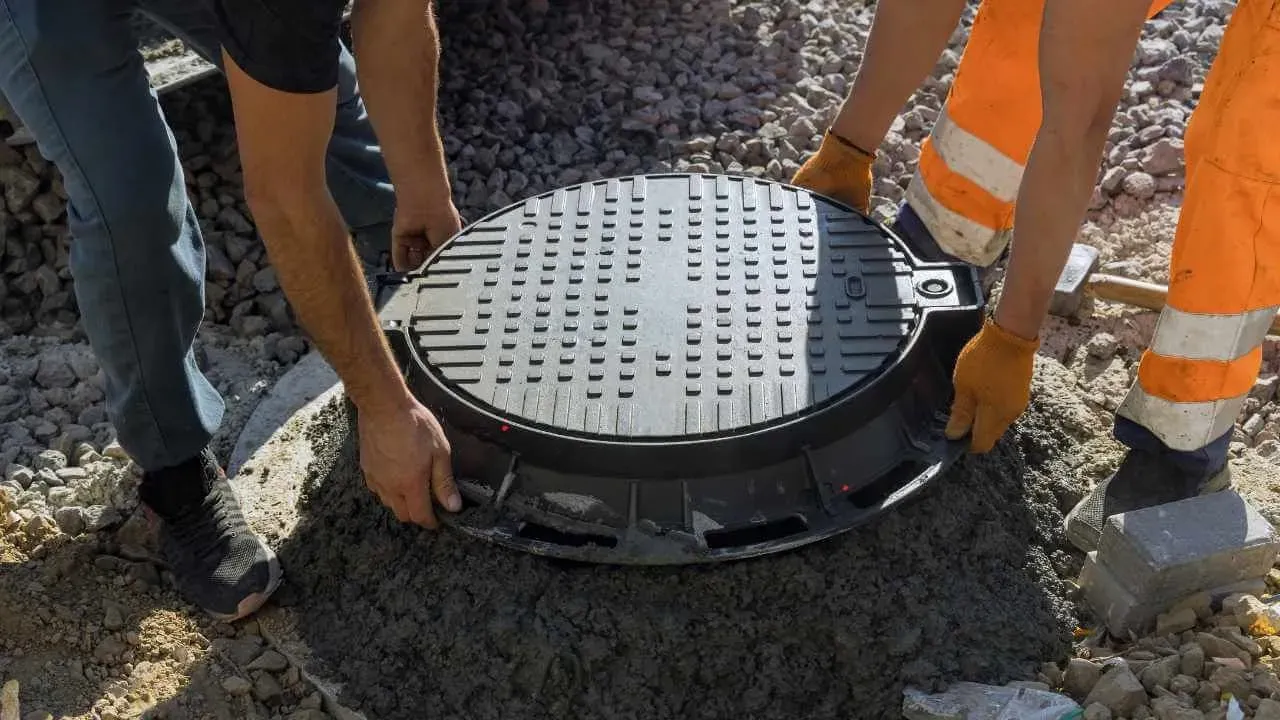
The old system is removed if needed, then the tank, lines and drain field are installed to the approved plan.
After the work is inspected, the area is backfilled, graded and restored. Read what happens after septic excavation.

Spencer is in Central Massachusetts, which the 2023 USDA Plant Hardiness Zone Map places mostly in zone 6a, with some colder zone 5b areas. In practical terms, that means cold winters where the ground freezes, and that matters for anything buried in it.
For septic systems, cold weather is part of the design. Tanks and pipes have to sit where freezing will not stop flow, and snow cover over the drain field helps insulate it, so driving or piling plowed snow on the field is best avoided. Planning septic work around frozen ground is also part of scheduling projects here.
Answers to common questions about septic systems in Massachusetts.
A Title 5 inspection is generally required within two years before a property with a septic system is sold. If the system has been pumped every year and records are available, an inspection can be valid for three years.
Only MassDEP-approved system inspectors can perform Title 5 inspections. In most cases the inspector submits the report to the local Board of Health within 30 days of the inspection.
A failed system must be upgraded within two years unless the local Board of Health or MassDEP approves a different schedule. Depending on the problem, that can mean a repair or a full replacement.
Cost depends on the system design required for the site, soil conditions, the size of the home, how much excavation and material are needed, access for equipment, and whether an old system has to be removed. A quote based on the approved design is the reliable way to price it.
Lifespan depends on how well the system was designed and installed, the soil, how much water the household uses and how regularly the tank is pumped. Routine maintenance is the biggest factor homeowners control.
Problems limited to one component, such as a damaged line or cover, can often be repaired. A failed drain field or a system that no longer meets Title 5 usually needs replacement. An assessment of the system is the first step.

Our septic work covers homes and commercial properties, including:
Want to learn more first? Read our septic system articles or give us a call.
Call Us (508) 612-8796Tell us what is happening with your system and we will talk through the next step.