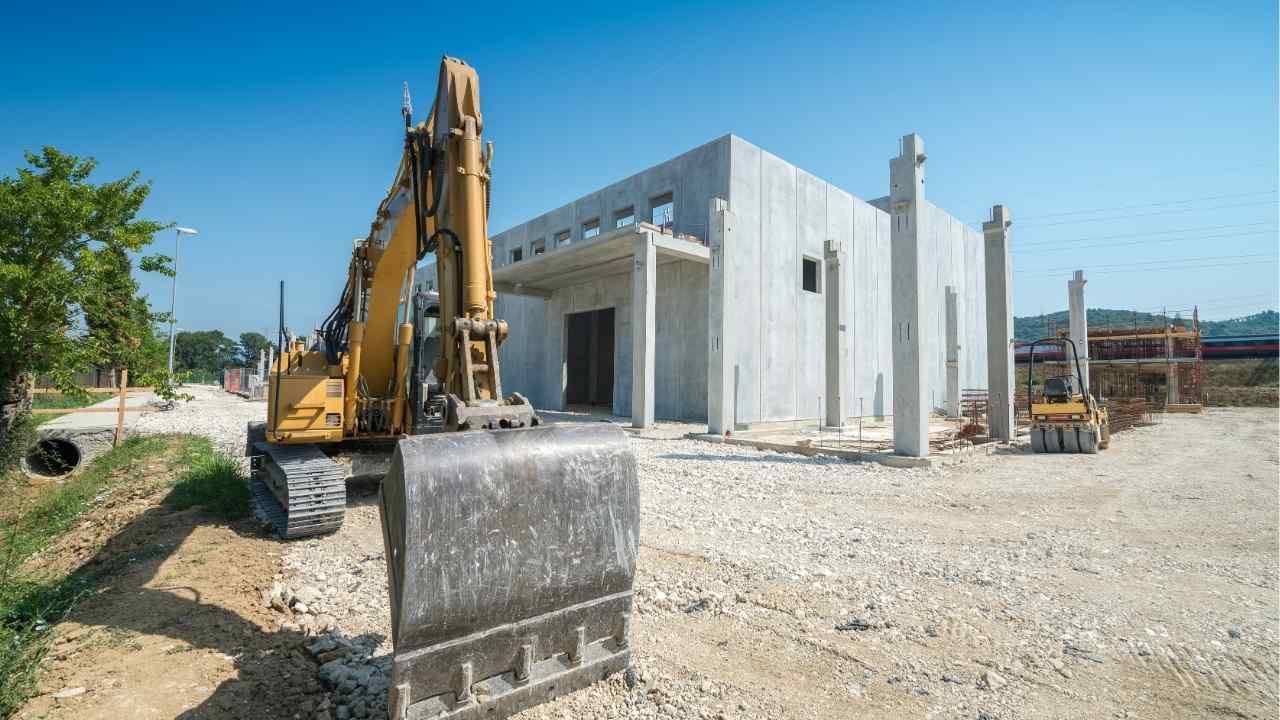
Home Construction Excavation: What Happens Before Building Begins
Building a new home is exciting, but the construction process starts long before the first wall goes up. One of the most important stages is excavation, which prepares the property for a stable, safe, and long-lasting structure. Without proper site preparation, even the best-designed home can face drainage issues, foundation problems, and costly delays.
If you're planning a new build, working with experienced excavation professionals can save you time, money, and stress. Whether you need septic service Spencer MA, hardscaping services, or basement excavation, understanding the preparation process will help you make informed decisions from day one.
In this guide, you'll learn what happens before construction begins, why excavation matters, and how professional site preparation sets the foundation for a successful project.
Why Excavation Is the First Step
Excavation is much more than digging a hole for a foundation. It involves evaluating, preparing, and shaping the land so every phase of construction can proceed safely and efficiently.
Professional excavation crews help:
Create a stable foundation area
Improve site drainage
Remove obstacles such as trees, rocks, and debris
Prepare access for heavy equipment
Ensure compliance with local building requirements
Starting with proper excavation reduces the likelihood of structural issues later in the project.
Step 1: Site Evaluation and Planning
Every successful construction project begins with a thorough site assessment.
Excavation professionals typically evaluate:
Soil conditions
Property boundaries
Existing utilities
Elevation changes
Drainage patterns
Environmental considerations
This planning stage helps determine the safest and most efficient excavation strategy while preventing unexpected problems during construction.
Step 2: Land Clearing
Before excavation equipment arrives, the property must be cleared.
This process may include removing:
Trees
Brush
Stumps
Large rocks
Old structures
Construction debris
A clean worksite allows heavy machinery to operate safely and provides accurate measurements for the building layout.
Step 3: Utility Marking
One of the most important safety measures is identifying underground utilities.
Contractors coordinate with utility companies to locate:
Water lines
Gas lines
Electrical cables
Communication lines
Sewer connections
Damaging underground utilities can create dangerous situations and significantly delay construction.
Step 4: Rough Grading
Once the site is cleared, crews begin rough grading.
Grading establishes:
Proper building elevation
Drainage slopes
Driveway locations
Yard contours
Proper grading prevents future water accumulation around the home's foundation, helping reduce the risk of moisture damage.
Step 5: Foundation Excavation
With grading complete, excavation crews carefully dig according to engineered plans.
Depending on the home's design, this may include:
Crawl spaces
Slab foundations
Full basements
Precision is essential because incorrect excavation depth or dimensions can affect the entire structure.
Step 6: Soil Preparation
Not every building site has ideal soil conditions.
Contractors may:
Compact loose soil
Remove unsuitable material
Add structural fill
Improve drainage layers
Proper soil preparation increases foundation stability and minimizes future settling.
Step 7: Drainage Installation
Water management begins before the foundation is poured.
Excavation contractors often install:
Drainage pipes
Gravel systems
French drains
Surface grading improvements
Effective drainage protects the home from water intrusion for years to come.
Step 8: Final Inspection Before Construction
Before foundation work begins, inspectors verify that excavation meets approved building plans.
They check:
Depth
Dimensions
Soil stability
Property setbacks
Drainage compliance
Passing inspection ensures the project can move forward without unnecessary delays.
Common Excavation Challenges
Every property presents unique conditions that may affect construction.
Some common challenges include:
Poor soil quality
High groundwater levels
Large rock formations
Limited equipment access
Steep slopes
Weather delays
Experienced excavation contractors know how to adjust plans while keeping projects on schedule.
Case Study: A Smooth Start for a New Home
A homeowner preparing to build on a wooded lot initially believed excavation would only take a few days. During the planning phase, contractors discovered drainage concerns and uneven soil that required additional grading and compaction. They also adjusted the excavation plan to improve water flow away from the future foundation. Although the preparation added several days to the schedule, the improved site conditions prevented expensive foundation corrections later. The homeowner completed construction on schedule and avoided long-term drainage issues that could have affected the home's value.
How Professional Excavation Saves Money
Investing in quality excavation often reduces overall construction costs.
Benefits include:
Fewer foundation repairs
Better drainage performance
Faster construction timelines
Reduced risk of structural settling
Improved property value
Longer-lasting foundation stability
Proper preparation is significantly less expensive than correcting foundation problems after construction.
Choosing the Right Excavation Contractor
Not every excavation company offers the same level of expertise.
Look for a contractor that provides:
Extensive residential experience
Modern excavation equipment
Proper licensing and insurance
Knowledge of local regulations
Clear project communication
Accurate written estimates
An experienced contractor will explain every phase of the project and help prevent unexpected issues throughout construction.
Final Thoughts
Excavation is the foundation of every successful home construction project. Careful planning, proper grading, soil preparation, drainage improvements, and precise excavation all contribute to a safer, stronger, and more durable home.
Choosing experienced professionals before building begins helps eliminate costly surprises while ensuring every stage of construction starts on solid ground. If you're planning a new home, contact a trusted local excavation contractor to discuss your project and create a site preparation plan that supports your long-term investment.