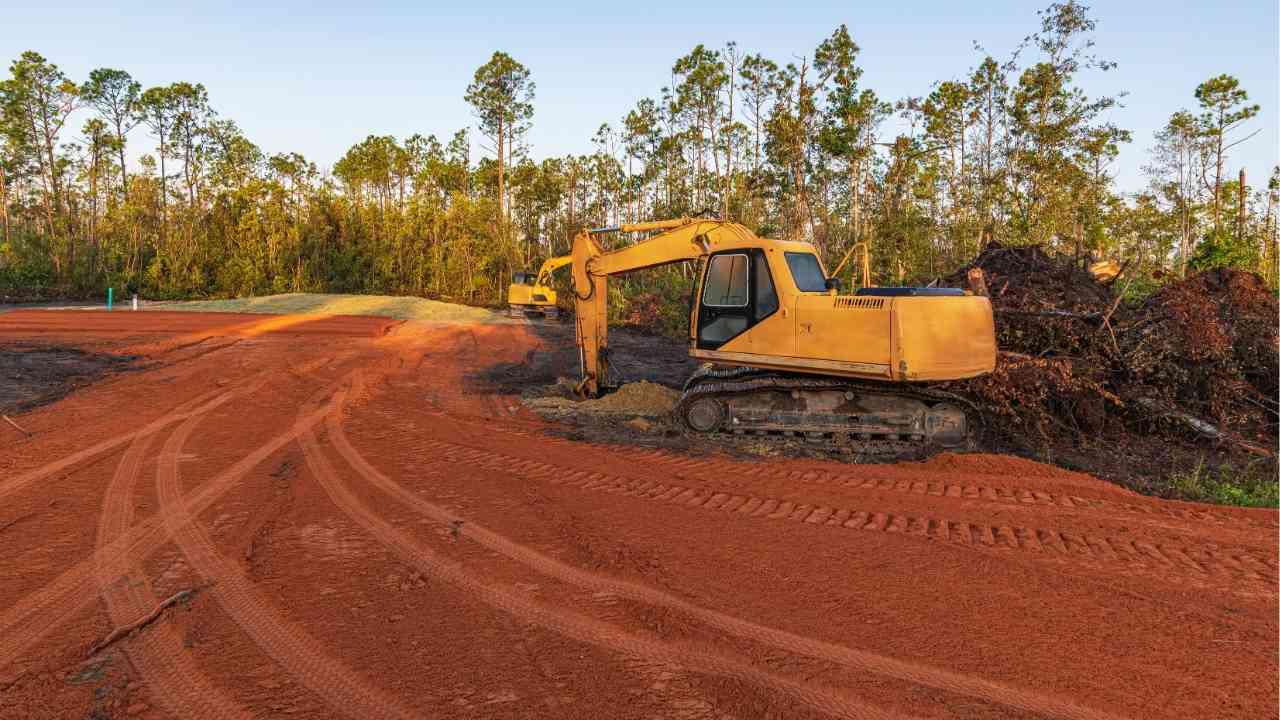
Land Clearing Services for Landscaping Projects
A great landscape starts long before the first tree, patio, or garden bed goes in. It begins with a clean, stable site where contractors can work safely and every new feature has room to perform as intended.
Professional land clearing removes the brush, unwanted trees, stumps, rocks, and debris that can delay construction or create expensive problems later. For property owners planning landscaping services Spencer MA, proper clearing provides the foundation for a smoother, more predictable project. It also makes it easier to install lawns, drainage systems, planting areas, and hardscapes without working around hidden roots or uneven ground. Instead of renting equipment and handling a risky job alone, property owners can turn to local excavation experts who understand site preparation, grading, and debris removal.
This guide explains what land clearing includes, when it is needed, and how professional preparation can protect your landscaping investment.
What Land Clearing Services Usually Include
Land clearing is more than cutting down a few bushes. The exact scope depends on the condition of the lot and what you plan to build, but a complete service may include:
Brush, weeds, and overgrowth removal
Small tree and sapling removal
Stump and root extraction
Rock and construction debris removal
Selective tree clearing
Rough grading and soil leveling
Hauling or processing cleared materials
Preparing access routes for equipment
Before work begins, a contractor should inspect the property and identify possible obstacles. These may include steep slopes, drainage channels, buried utilities, unstable soil, and trees that should remain protected.
A detailed site assessment also helps determine which equipment is appropriate. Compact machinery may be better for tight residential lots, while larger excavators and loaders can complete open-site clearing more efficiently.
Why Proper Site Preparation Matters
Skipping proper clearing can cause problems that become visible only after the landscaping work is complete. Roots left underground may produce new growth, interfere with paving, or create soft spots as they decay. Poorly removed stumps can also make grading difficult and damage lawn equipment.
Professional land preparation helps prevent:
Uneven lawns and settling soil
Cracked walkways or patios
Standing water near buildings
Drainage failures
Damage to newly installed plants
Delays caused by buried debris
Unsafe access for contractors and equipment
Clearing also gives designers a more accurate view of the property. Once dense vegetation and debris are gone, it becomes easier to evaluate sunlight, elevation changes, natural drainage, and usable space.
That information can improve the entire landscape plan. A feature that looked practical on paper may need to be moved once the real grade or soil condition is visible.
When Land Clearing Is Needed
Not every landscaping project requires full-scale clearing. However, it is often necessary when a property has been neglected, heavily wooded, or damaged by storms.
You may need land clearing before:
Installing a new lawn
Building a patio, walkway, or retaining wall
Creating a garden or planting area
Adding a driveway or parking space
Correcting drainage problems
Installing a septic system
Expanding the usable portion of a yard
Preparing land for a new home or addition
Selective clearing may be the best approach when you want to preserve mature trees or natural privacy. Rather than stripping the entire site, the contractor removes only the vegetation that conflicts with the project.
This method can reduce soil disturbance while maintaining the character of the property. It may also lower removal costs and make the finished landscape feel more established.
Choosing the Right Land Clearing Contractor
The cheapest estimate is not always the best value. Poor clearing can leave behind roots, unstable fill, and drainage problems that cost far more to correct after construction begins.
Before hiring a contractor, ask about:
Experience with similar residential or commercial sites
Equipment available for the project
Insurance and applicable licensing
Protection for trees and structures that will remain
Debris hauling and disposal
Erosion-control measures
Grading and drainage capabilities
The expected project scope and payment terms
A clear written estimate should explain what will be removed, what will remain, and whether grading or hauling is included. It should also identify any work that may carry an additional charge.
Look for a company that can coordinate clearing with the next phase of the project. When excavation, grading, drainage, and landscaping preparation are handled together, there is less risk of scheduling gaps or miscommunication between contractors.
Short Case Study: Turning an Overgrown Yard Into Usable Space
A homeowner wanted to convert an overgrown section of the property into a lawn, seating area, and small garden. The site was covered with brush, several decaying stumps, scattered rocks, and low spots that collected water after heavy rain. The contractor selectively cleared the vegetation, removed the stumps and roots, hauled away debris, and reshaped the grade to move water away from the house. Once the site was stable, the landscaping crew could begin without delays. The homeowner gained a cleaner, safer yard and avoided building new features over unstable soil and buried organic material.
Build Your Landscape on a Solid Foundation
Land clearing is one of the most important stages of a landscaping project, even though much of the work will eventually be hidden. Careful removal, grading, and site preparation can prevent drainage issues, settling, plant failure, and unnecessary repair costs.
Do not build a new landscape over old problems. Contact a qualified land-clearing contractor today to schedule a site assessment and prepare your property for its next phase.