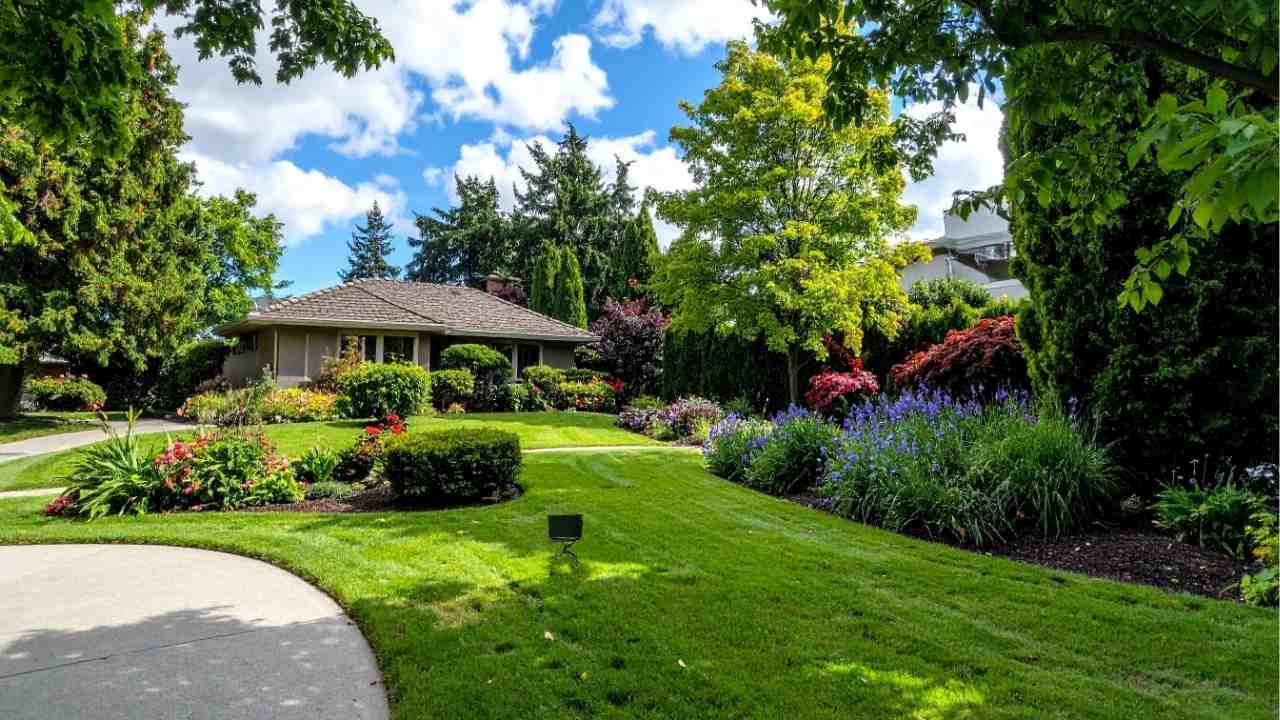
What to Know Before Excavating for a Garden Landscape
A beautiful garden does not start with flowers, stone borders, or a fresh layer of mulch. It starts underground. If the soil is unstable, poorly drained, or uneven, the finished landscape can quickly shift from charming to frustrating.
Before you dig, it pays to understand what excavation actually does for a garden landscape. In this guide, you’ll learn how to plan the site, avoid common digging mistakes, protect your property, and know when professional help makes sense.
Why Excavation Matters Before Garden Installation
Garden excavation is more than removing dirt. It shapes the foundation for everything that comes next, from planting beds and walkways to retaining walls, drainage systems, patios, and decorative stonework.
Homeowners planning landscaping Spencer MA projects should think about excavation early because New England properties often deal with rocky soil, tree roots, slopes, clay-heavy areas, and seasonal water movement. Digging without a plan can damage underground utilities, create drainage problems, or leave you with soil that settles unevenly after the work is done.
Properties in Shrewsbury and Holden tend to see this most, where hillier terrain and shallow ledge can turn a simple flower bed or retaining wall into a bigger grading job than expected.
A good excavation plan helps answer key questions:
Where will water flow after rain?
Is the soil suitable for planting?
Are there underground pipes, wires, or irrigation lines?
Will the garden need grading or retaining support?
How deep should the area be cleared?
This is also where many homeowners start searching for an “excavation contractor near me in Spencer MA” when the project involves more than basic hand digging. Bigger landscape changes often need equipment, soil removal, leveling, and careful grading.
Check the Site Before You Dig
Before excavation begins, walk the area and look at how the land behaves. Notice low spots where water collects, hard-packed areas where grass struggles, and slopes that may cause runoff.
You should also call before digging to have underground utilities marked. This is not optional. Even shallow digging can hit gas, electric, water, sewer, or communication lines. A garden project may look small on the surface, but what is below ground can be a serious safety issue.
Next, think about access. Can equipment reach the area without tearing up the lawn? Is there enough room to remove soil or bring in gravel, compost, or topsoil? Tight backyard spaces may require smaller machinery or more manual work.
Soil condition matters too. Sandy soil drains fast but may need organic matter. Clay soil holds water and can become compacted. Rocky soil may require more excavation time. These details affect plant health and the long-term stability of landscape features.
Plan for Drainage, Grading, and Soil Depth
Poor drainage is one of the biggest reasons garden landscapes fail. If water moves toward your home, collects around plant roots, or washes mulch away, the design will not hold up.
Excavation can correct these problems by shaping the land properly. Grading creates a slight slope that directs water where it should go. In some cases, the project may need drainage pipe, gravel base layers, dry wells, or a French drain.
Soil depth is another important detail. Different garden features need different excavation depths:
Flower beds may need loosened soil and compost several inches deep.
Vegetable gardens often need deeper, richer soil.
Walkways need a compacted base to prevent sinking.
Retaining walls need stable footings.
Patios require proper excavation, base material, and compaction.
Skipping these steps may save time upfront, but it usually creates more work later.
Know When to Bring in Professional Help
Small garden beds can often be handled by a careful homeowner. But if the project involves slopes, heavy soil removal, drainage correction, retaining walls, large stones, or equipment, professional excavation is usually the smarter choice.
Local excavation experts understand how to work with regional soil, weather patterns, and property layouts. They can also help prevent damage to driveways, lawns, foundations, and underground lines.
Short Case Study: A Backyard Garden That Needed More Than Plants
A homeowner wanted to turn a soggy side yard into a pollinator garden with a stone path. At first, they planned to add soil and plants over the existing ground. After heavy rain, however, the area held standing water for days. The contractor excavated the low section, added a gravel drainage layer, installed a shallow drain line, and regraded the soil away from the house. Once the garden was planted, the area stayed usable after storms, and the path no longer shifted or sank.
Final Thoughts
Excavation is not the flashy part of garden landscaping, but it is one of the most important. The quality of the digging, grading, drainage, and soil preparation determines whether your garden stays healthy, level, and easy to maintain.
Before starting your project, study the site, mark utilities, plan drainage, and be honest about the amount of work involved. A strong garden begins below the surface, and the right preparation can save you from expensive fixes later.
Ready to create a garden landscape that lasts, in Spencer, Shrewsbury, Holden, or anywhere else in the area? Talk with Groundscapes Inc. before you start digging.